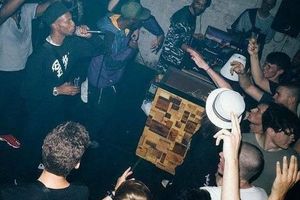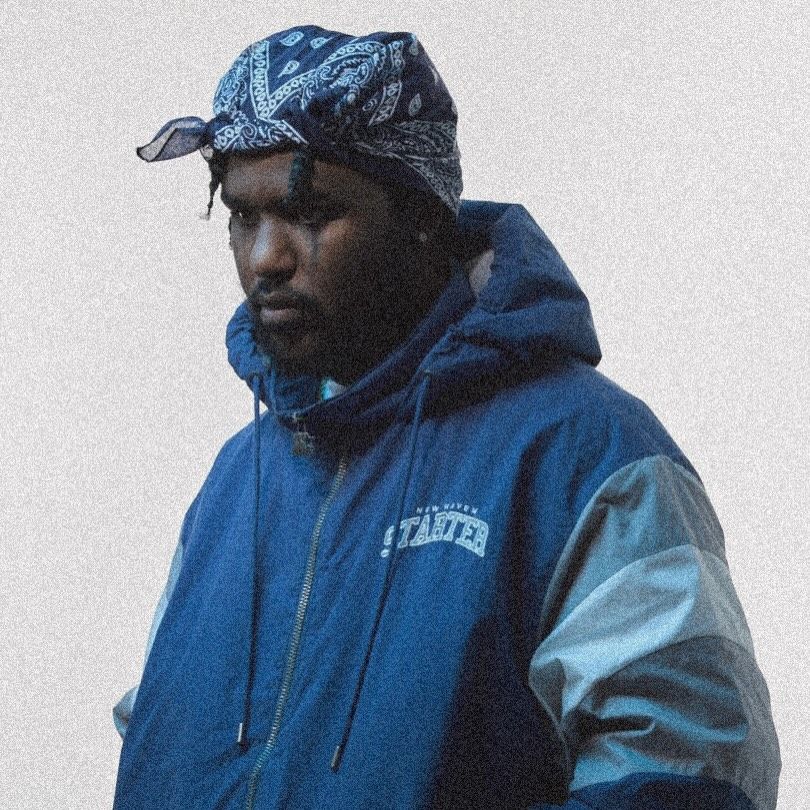
There's a photo somewhere of Novelist on stage at the 2015 Brit Awards, his trademark hi-top visible among the sea of tracksuits flanking Kanye West during "All Day."
He was 18 – most kids that age would've let that moment define their career, but for the Lewisham MC, it was just another casual Tuesday. Because while his peers were chasing viral moments and playlist placements, Novelist was busy doing what he's always done: keeping his art true.
Kwadwo Kankam started making beats at six years old, teaching himself production on Fruity Loops before most kids his age could spell their own names properly. By 13, he was spitting on pirate radio stations, and at 16, he co-founded The Square—a South London crew that became the blueprint for how the new generation should move. But it wasn't until "Take Time" dropped in 2014 that the wider world clocked what the underground already knew: Novelist wasn't just talented, he was a necessary force the scene had beens searching for, and he answered the call.
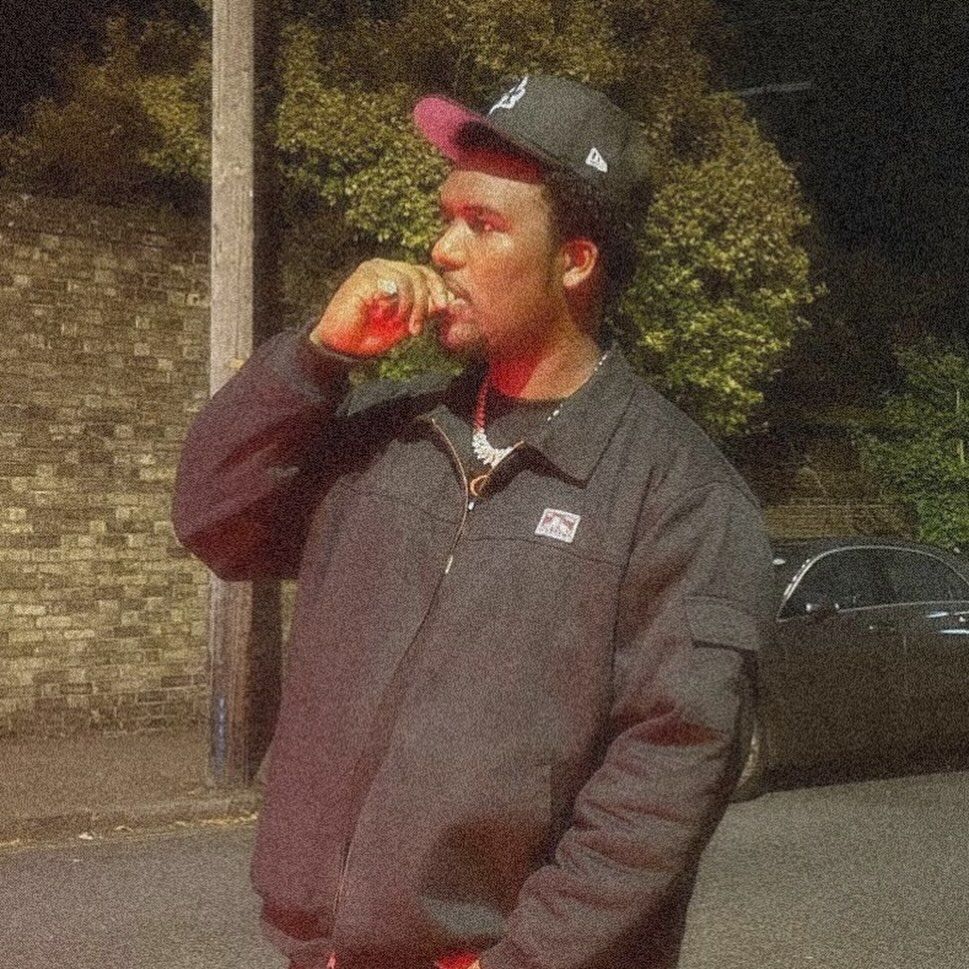
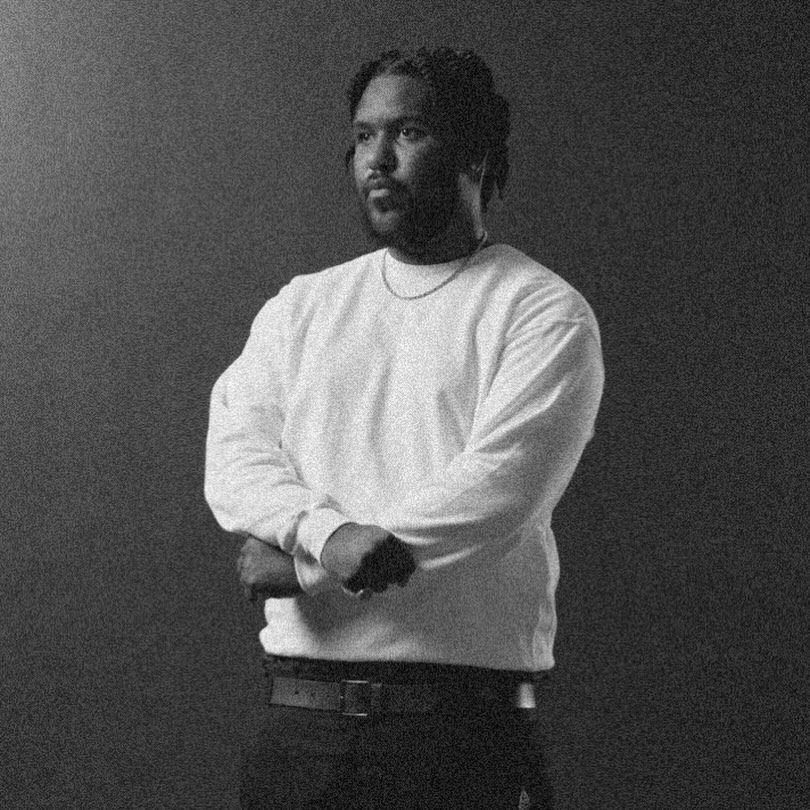
That Mumdance collaboration was a statement of intent. Sparse, urgent, experimental but undeniably grime—it shifted over 3,000 vinyl copies and bridged a gap between the old guard and the instrumental scene that was bubbling away on SoundCloud. It wasn't about chasing trends. It was about showing the industry that grime could evolve without losing its soul. "I did it to captivate the industry," Novelist said at the time. "I wanted them to understand that grime wasn't just one thing."
"I did it to captivate the industry,"
That's always been his thing – refusing to be boxed in while simultaneously being the most principled person in the room. When YouTube freestyles and algorithm-chasing became the norm, Nov doubled down on pirate radio and general sets. When major labels came calling, he signed to XL, put out the stellar "1 Sec" EP on his 18th birthday, and then got dropped two years later. His response? Launch MMMYEH Records and keep it moving. No victim narratives, no compromise. Just work, grind and innovation.
His musical palette has always been wider than people give him credit for. Growing up, his house was filled with everything from grime DVDs to rare groove, Japanese jazz to boogie. But it's his love for West Coast G-funk that really sets him apart. Listen to his production and you'll hear it—those sun-drenched California vibes filtered through the grey skies of South London. He's talked about drawing from Dr. Dre's sonic blueprint, taking those layered synths and hypnotic basslines and making them work for 140 BPM. The "Inferno" EP is the best example of this: production that sounds like Dre grew up on Déjà Vu FM, marrying that smooth Parliament-Funkadelic influence with the stark minimalism grime demands. Personally as a massive fan of that g & p-funk sound, I can hear that inspiration in his production.
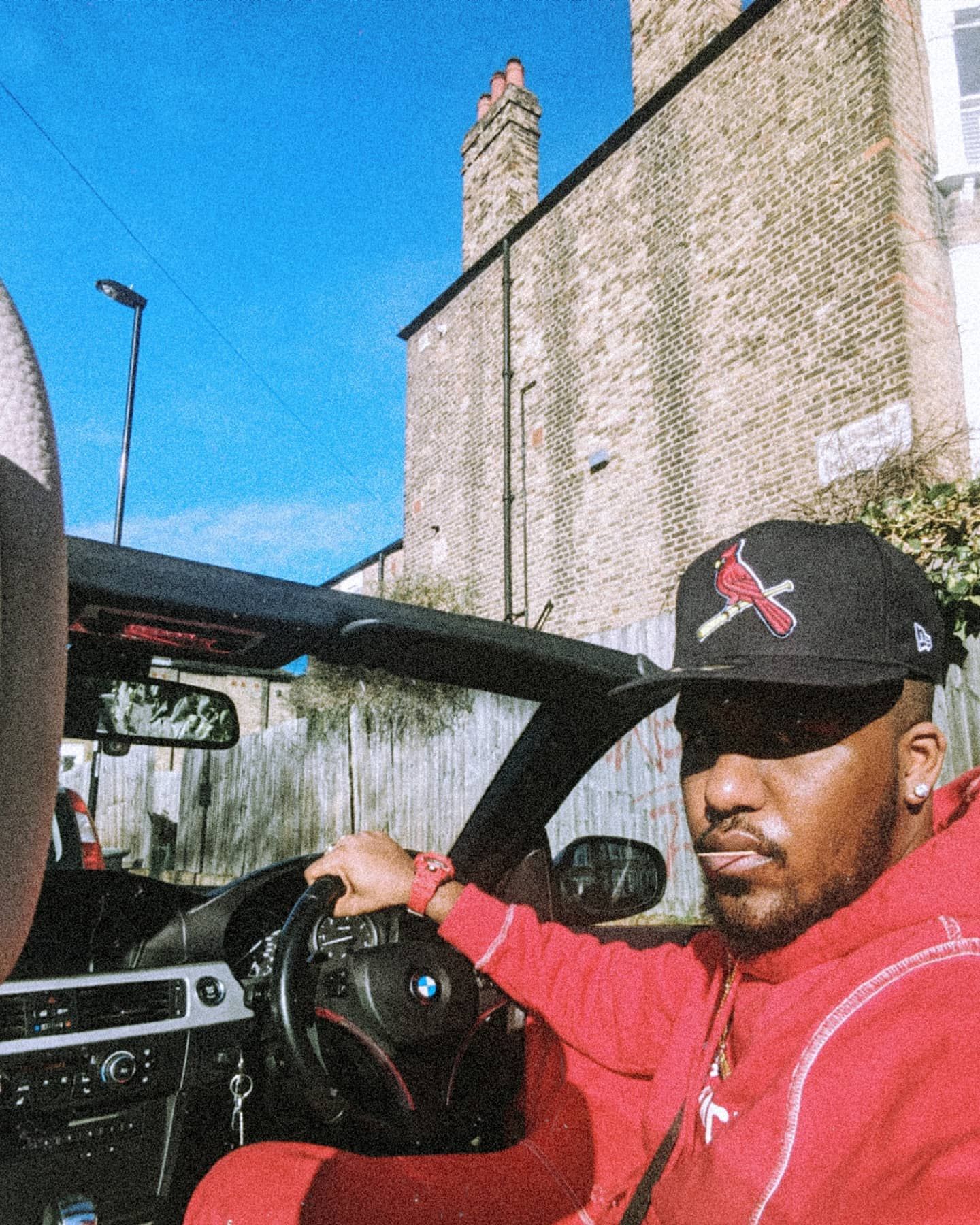
In 2018, "Novelist Guy" arrived—a debut album that felt more like a manifesto. Over industrial productions that rattled speakers, his bars felt less like flexes and more like instructions for navigating life when the odds are stacked against you. Codes of honour almost…The Mercury Prize nomination that followed wasn't just validation; it was proof that integrity sells, even if it takes longer and is more of a grind.
Because that's the thing about Novelist: he's never been in a rush. While others pivoted to drill, trap, or whatever flavour-of-the-month sound promised streams, he's maintained his vision. He's toured Australia four times, Russia, Europe, America—everywhere except Africa, which he's planning to hit soon. At 27, he's already a veteran, but he's still hungry. Still pushing. Still proving that grime didn't fuckin die; it just needed someone to remind everyone what it was supposed to be.
The debate about whether grime is "dead" doesn't interest him. "I couldn't care less," he's said. "If grime is dead, I'm not a casualty. I'm one of the soldiers that made it back to base." That's not arrogance—it's facts. When the genre's cultural moment faded, Novelist kept making music for the real ones, the heads who understood that grime was never just about chart positions or co-signs. It was about presence, authenticity, and that unmistakable South London grit.
These days, he's expanding his sound even further—house, techno, 40s soul records—while staying rooted in the fundamentals. His clothing brand, Mmm Yeah, is growing. His live shows remain electrifying. And most importantly, he's still making music on his own terms, independently, without compromise.